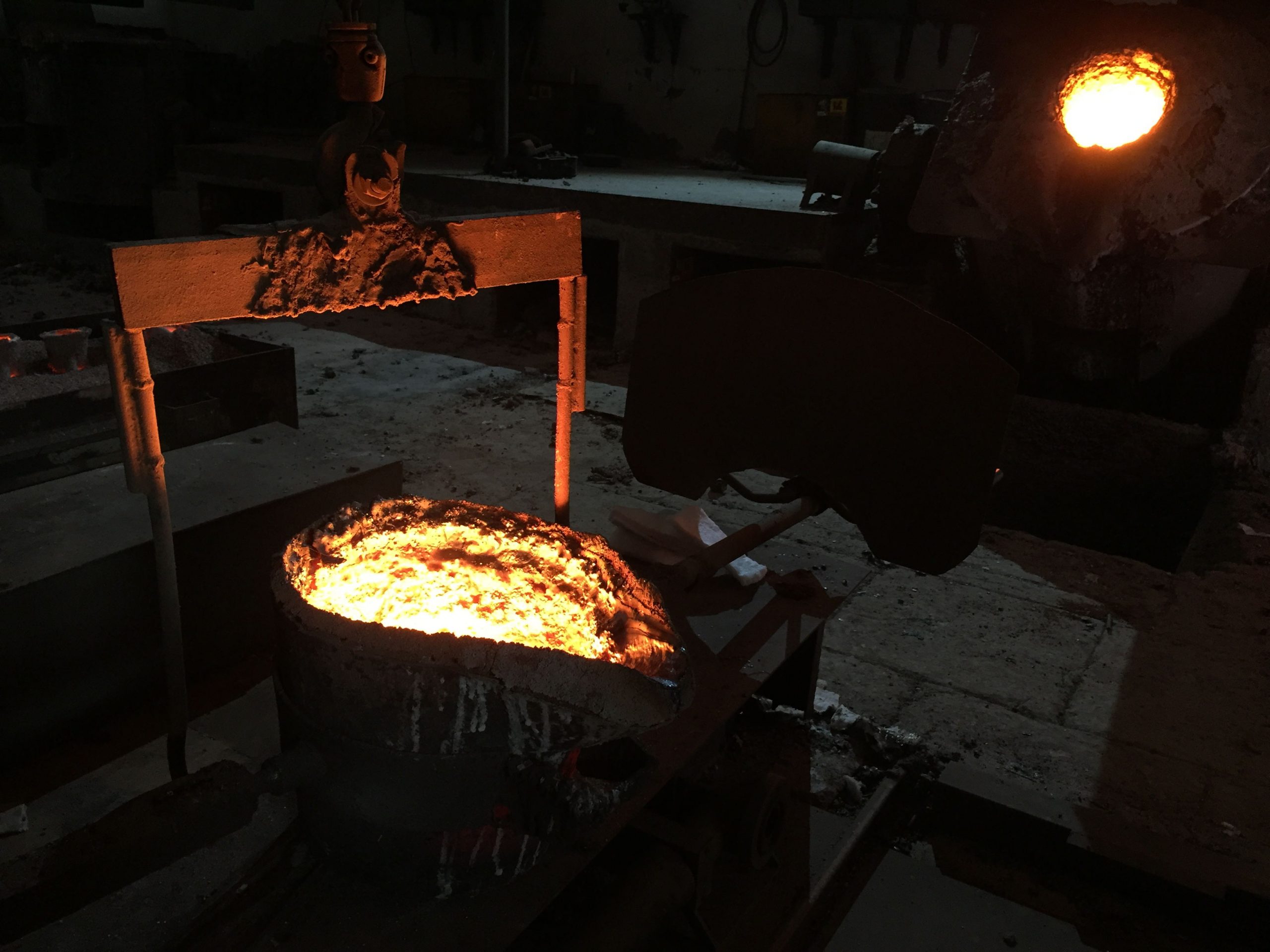
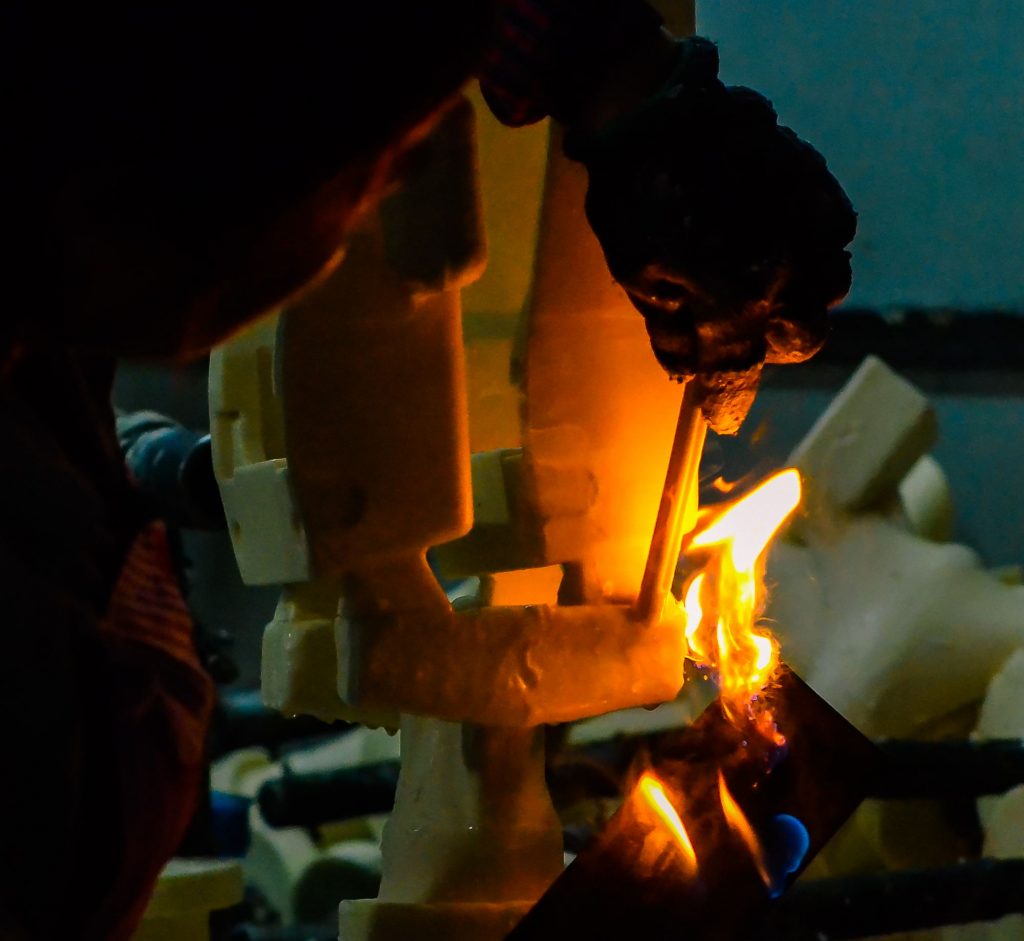
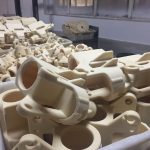
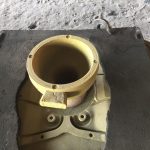
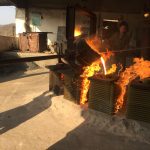
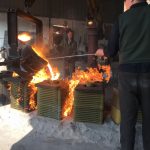
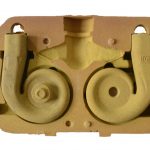
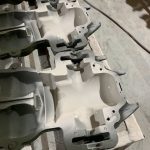
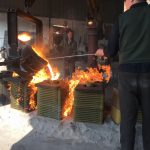
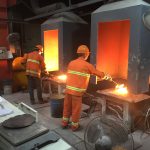
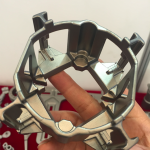
Water glass casting components are mainly used where heavier or stronger, more complex shapes are required. Applications of this technique are widely presented in the production of trailers, agricultural machinery and in the offshore industry. The process provides a far superior surface finish and dimensional precision to that achieved through sand casting. It also allows for more complex shapes to be achieved. In addition to steels, it is possible to cast alternative materials such as regular iron using this method.
Shell mould casting process
Shell mould casting is one of many metal casting processes. It’s characterized by using sand as all or part of the mold material. Shell mould casting is excellent for small production runs thanks to its generally low overall costs. The versatility offered by the process is also something to consider. Fabricators are able to create both ferrous and non-ferrous large metal components with a wide range of customization options.
Forging technology
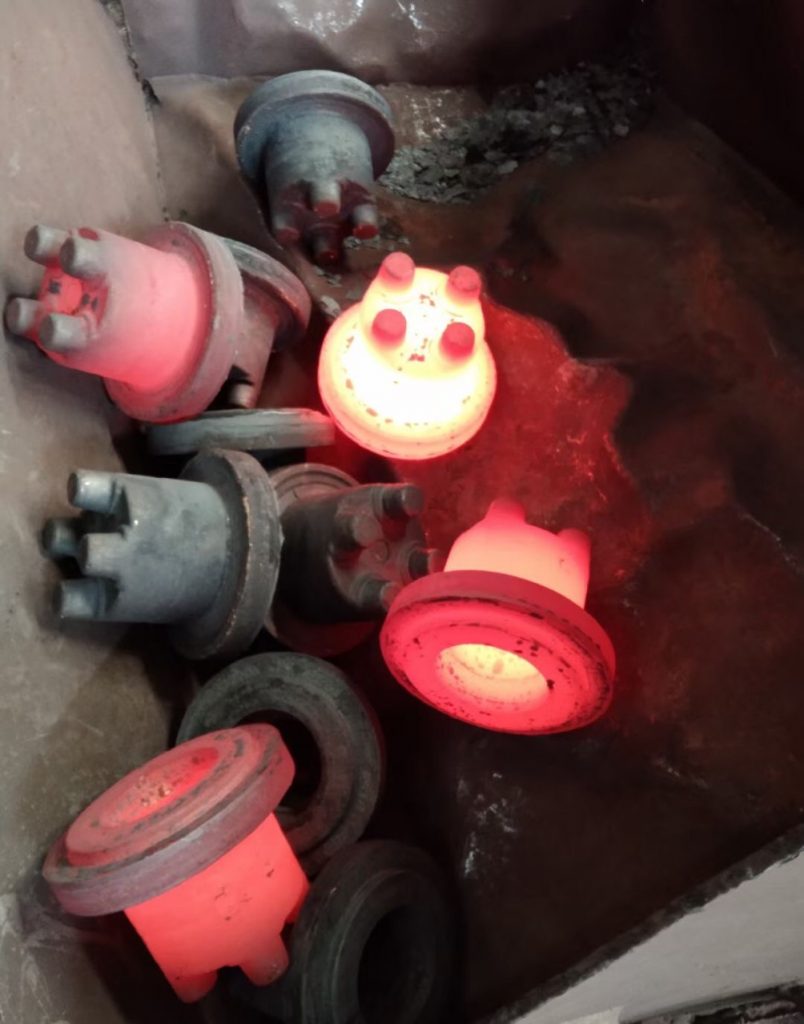
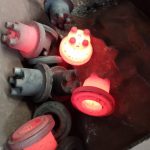
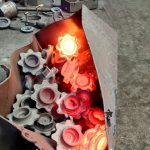
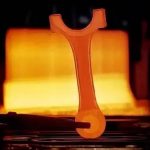
Forging is a manufacturing process involving the shaping of metal using localized compressive forces. The blows are delivered with a hammer (often a power hammer) or a die. Forging is often classified according to the temperature at which it is performed: cold forging (a type of cold working), warm forging, or hot forging (a type of hot working). For the latter two, the metal is heated, usually in a forge. Forged parts can range in weight from less than a kilogram to hundreds of metric tons.[1][2] Forging has been done by smiths for millennia; the traditional products were kitchenware, hardware, hand tools, edged weapons, cymbals, and jewellery. Since the Industrial Revolution, forged parts are widely used in mechanisms and machines wherever a component requires high strength; such forgings usually require further processing (such as machining) to achieve an almost finished part.
Water glass casting process
上一页
下一页
Forging technology
上一页
下一页
Shell mould casting process
上一页
下一页
Silicone sol process
上一页
下一页
Need Help With Easier Industrial Solutions? We Are Experts!